Reading a dining room, table by table
Restaurants already run cameras, and almost all of that footage is only ever watched after something has gone wrong. Koca Ventures built a vision system that reads those same feeds while the shift is running and reports what the floor can act on, with no biometric capability of any kind.
- IndustryHospitality and food service
- EngagementVision system and operations backend, designed and built in house
- StatusWorking build under continued development
Table information for the venue
The system takes the ordinary camera feeds from the room a venue already watches, looks only at the dining area the operator has marked, and reports on tables: which are seated, which are empty but still carrying plates and glasses, and where a staff visit has been recorded.
The venue's team can review table occupancy, clearance and recorded visits. What crosses to the operations side is figures, never footage, no recommendation is offered until the system holds enough of the venue's own trading history to justify one, and the system has no biometric capability. Together they are why it can be explained to a venue's guests and staff.
What a dining room asks of a vision system
The detections are the straightforward part. What shaped this build is the limits a room full of guests puts on how you are allowed to solve it.
Cameras that only look backwards
A venue's cameras record continuously and the footage gets reviewed after a complaint. While the thing that will be complained about is still fixable, nobody on the floor is told anything.
Table information during a busy service
Floor teams need a clear view of occupied tables and those awaiting clearance, and they need it while the shift is running.
A dining room needs dependable table information
A floor plan that changes every second carries no information, and staff stop looking at it after the first shift.
Table service information
Each capability is one a venue can check for itself.
No biometric capability
The system reports on tables. It has no biometric capability of any kind, and none can be switched on.
- No biometric capability at any point
- Table occupancy and clearance information for the floor team
- Nothing outside the marked dining area is analysed
Table status the floor can trust
The interface distinguishes occupied tables from empty tables and from tables awaiting clearance.
- Designed to give stable table status
- An empty table and a table still to be cleared are shown differently
- Staff visits recorded per table
Occupancy and clearance, per table
The venue's team can review table occupancy and clearance status for the dining area.
- Occupancy information for the dining area
- Tables awaiting clearance shown separately
- Layout changes reviewed
Figures out, at the venue
Operational information is processed at the venue, and the venue's team can review table occupancy and clearance; footage is analysed and discarded.
- Table and layout information for the venue
- Staff records are handled under the venue's own approval
- When the room has been rearranged the system flags it instead of reporting against a stale plan
What the restraints bought
Table occupancy and clearance information for the venue's team.
Figures only
Information for the floor team
Video stays on the venue's own hardware, and the venue's team receives table occupancy and clearance information. The exceptions are the operator steps that need a picture, such as marking table boundaries on a still frame. Those are deliberate, switchable and never a continuous stream.
Table service
What the system is built around
The system has no biometric capability. That is a property of how it is built, and no policy needs to add it.
Says when it cannot
Recommendations
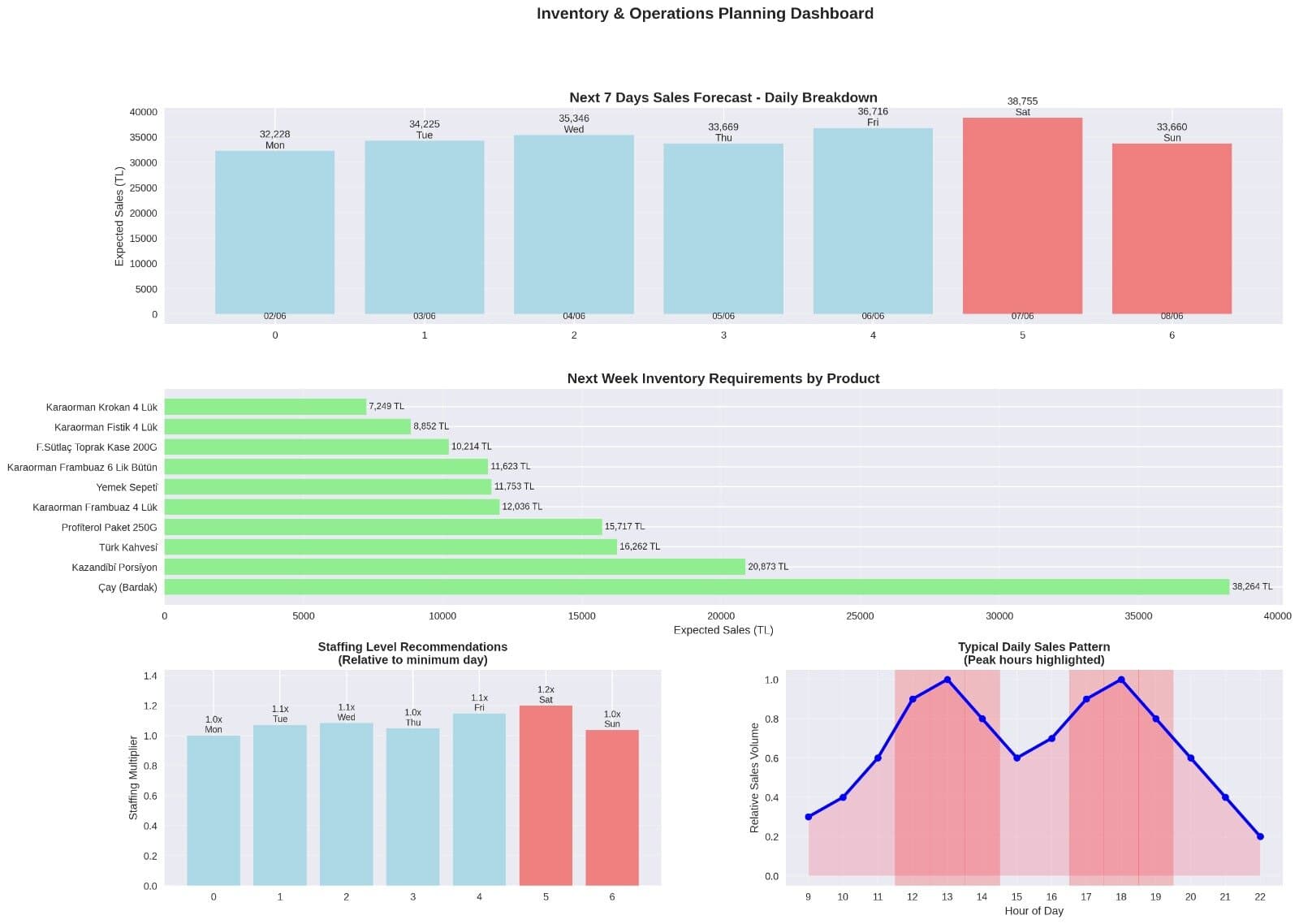
The recommendation side uses statistics a manager can read and argue with, and it refuses to predict until it holds a long enough run of the venue's own trading history. Until then it reports how far along it is instead of returning a confident guess.
Have a camera estate that only looks backwards?
If you are weighing a vision system for an operation with people in it, the constraints are the interesting part of the conversation. Tell us about the room and what you need it to report.
Discuss your project